Journal / Robotics
Engineering between model and machine
Notes on designing AI behavior that survives contact with sensors, latency, and physical systems.
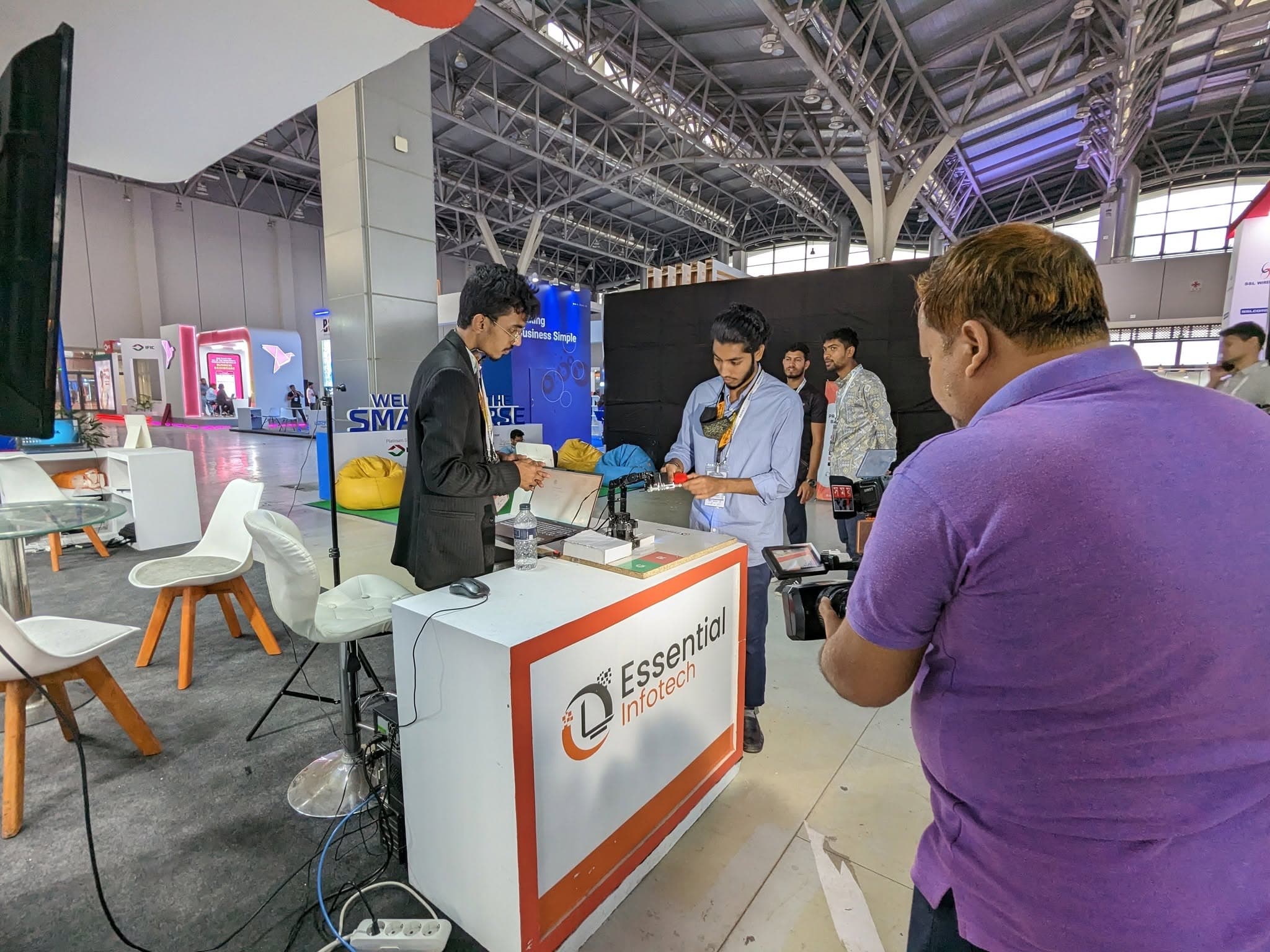
Abu Sayed Sunny archive
A model is only one part of a working system. The surrounding interfaces, sensors, failure states, and feedback loops decide whether it becomes useful outside a notebook. A strong result in isolation can still become a weak product when the camera shifts, the network slows down, or the machine receives a decision too late.
I like to begin with the physical path of information. What produces the signal? How noisy is it? When does the result need to arrive? What should happen when confidence is low? These questions usually change the architecture before model selection begins.
The most dependable systems make uncertainty visible. They log enough context to reproduce a failure, provide a safe fallback, and let a person understand why the system paused or chose a particular action. That work is less dramatic than training a model, but it is often what turns a prototype into something people can trust.
The useful boundary is not between AI and robotics. It is between a prediction and a complete decision loop. Engineering that loop means treating sensing, inference, control, interfaces, and recovery as one connected problem.